What the Machine Sees at Midnight
Inside the sensor fusion pipeline that keeps a robotaxi oriented during a Category 1 rainstorm
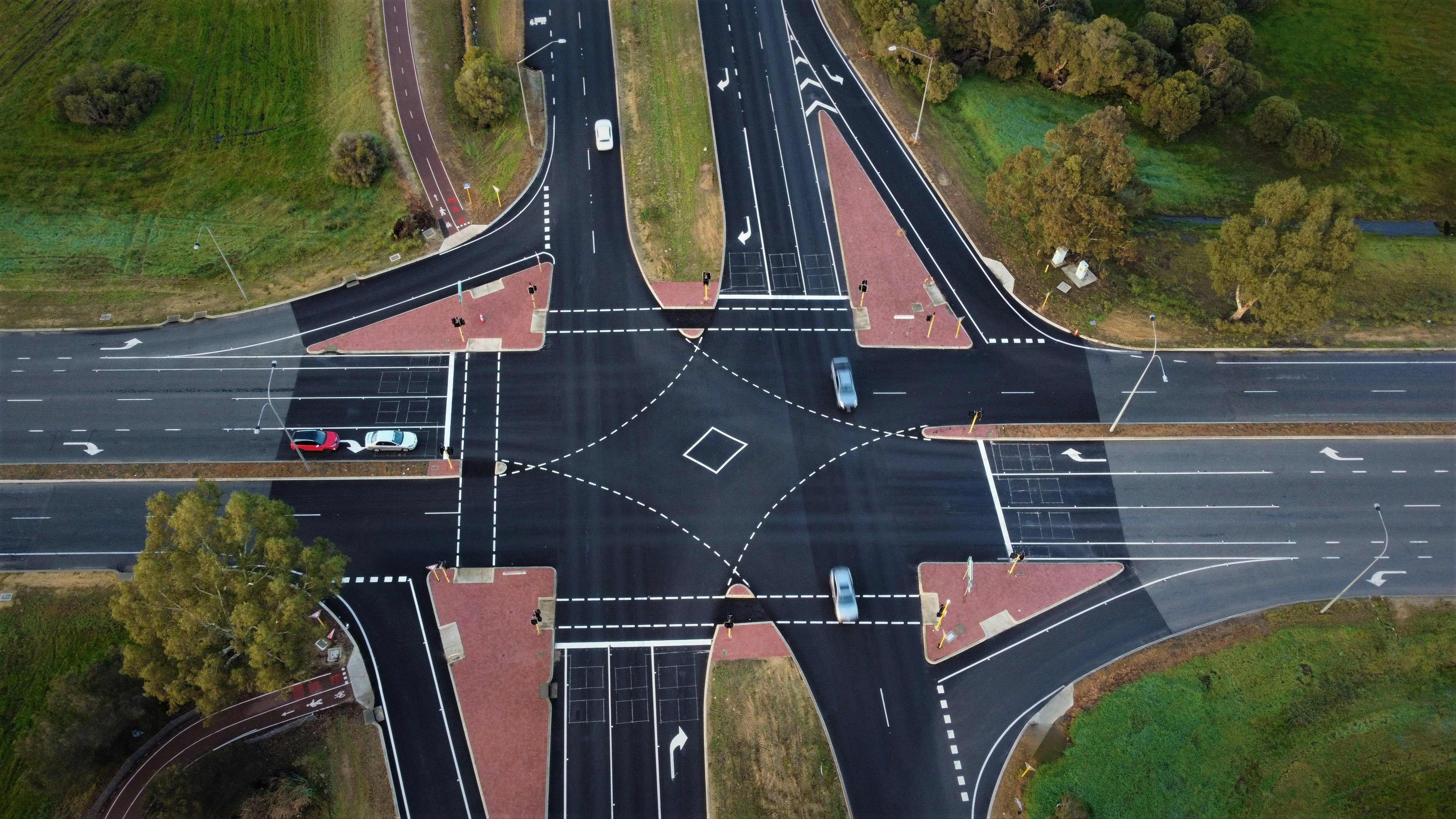
At 11:47 PM on a wet Tuesday in Phoenix, the vehicle's front-facing cameras were functionally blind. Rain on the lens, sodium vapor halation from the overpass, a truck's brake lights smearing into abstract expressionism across the wet asphalt. The lidar was doing its job — returning 1.3 million points per second, constructing a faithful occupancy grid of the world — but the neural network responsible for reading lane markings had been trained on 40 million frames of dry California highway, and this was not California, and this was not dry.
What happened next is the reason Waypoint exists: the vehicle didn't stop. It didn't call for remote assistance. It fused the degraded camera signal with radar returns and the high-definition map's stored lane geometry, assigned confidence weights that the camera team would later describe as "embarrassingly low," and proceeded through the intersection at a speed its motion planner had calculated as appropriate for a situation it could not fully see. The passenger — a policy researcher from ASU, in the back seat with a laptop and a half-finished grant proposal — noticed nothing.…
Continue ReadingPriya Venkataraman
Embedded Systems Correspondent · 18 min read
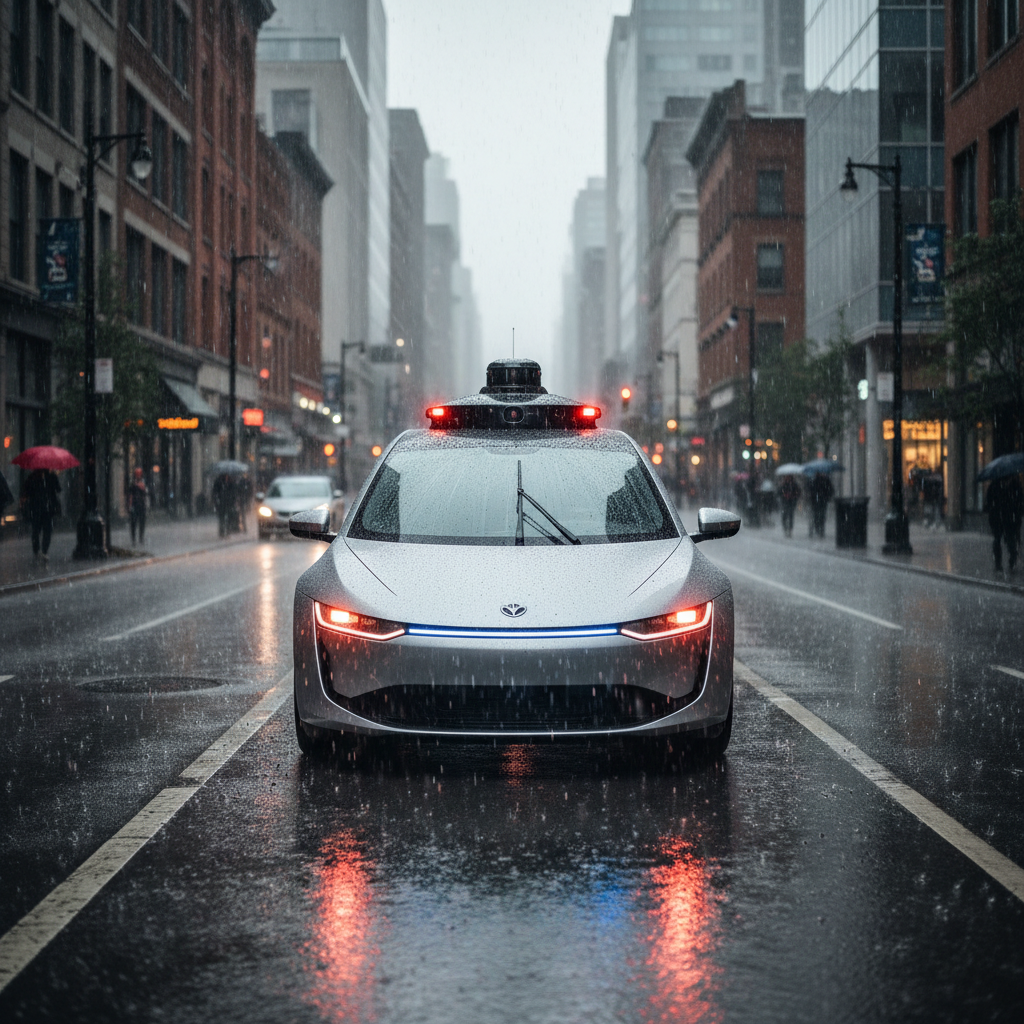
Velodyne HDL-64E unit, mid-scan cycle. Phoenix test corridor, Jan 2026.
lidar returns / second
1.3M
HDL-64E at 10 Hz rotation. Rain: −40% effective range.